|
|
| News for physicians, healthcare professionals, and caregivers who care for the seriously ill. | SIGN UP ⋅ SHARE |
|
|
|
Integrating palliative care into the treatment of multiple myeloma is crucial for enhancing quality of life, according to experts. Palliative care should begin at diagnosis and focus on understanding the patient's goals and values. "Accepting palliative care for myeloma does not mean you're giving up hope," the International Myeloma Foundation says. "It means you are taking proactive steps to feel better, live fully, and make informed choices throughout your illness."
|
|
|
| Palliative & Hospice Care Update |
|
| |
 |
| (Jorg Greuel/Getty Images) |
A Medicare-funded collaborative care program for dementia patients led to longer community living compared with using the Alzheimer's drug lecanemab, according to a study in the journal Alzheimer's & Dementia: Behavior & Socioeconomics of Aging. The study simulated outcomes for 1,000 participants with mild cognitive impairment and dementia, evaluating quality-adjusted life years and costs. |
|
|
| ICYMI: The Most Popular Stories From Our Last Issue |
|
|
| Free eBooks and Resources |
|
|
 
| |
 |
| (BlakeDavidTaylor/Getty Images) |
A review in Pain Medicine by nurse researchers found that patient-related risk factors for the development of new persistent opioid use following surgery include a history of mood disorders and preoperative use of benzodiazepines.The findings were based on data from 27 studies. Assessing risk before procedures: The absence of recent use of opioids was not an indicator of lack of risk, researcher said. "Identifying who is at risk before the first incision is made is a critical step in combatting the opioid crisis," lead author Yoonjae Lee said. |
|
Last season's COVID-19 vaccines provided significant protection against severe outcomes such as hospitalization and death, especially among older adults, according to a study published in JAMA Network Open. The vaccines showed 40% effectiveness against hospitalization and 79% against invasive mechanical ventilation or death for immunocompetent adults. Those levels of protection were similar among older adults overall and sustained through six months post-vaccination. |
|
|
|
A new tool developed by researchers accurately predicts the risk of dementia within a decade following a stroke or transient ischemic attack. Presented at the International Stroke Conference 2026, the tool uses data from nearly 45,000 adults without dementia in the Ontario Stroke Registry to stratify patients into risk categories, aiding research and clinical trials on dementia prevention. The tool reflects a shift in post-stroke care toward addressing cognitive decline, with the potential to improve patient outcomes globally.
|
|
|
| |
 |
| (Sebastian Kaulitzki/science Photo Library/Getty Images) |
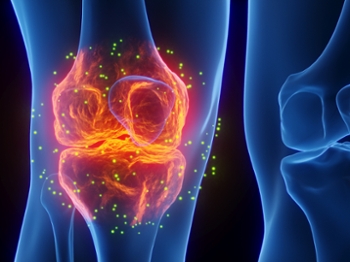
A study in Arthritis Care & Research found people with knee osteoarthritis and type 2 diabetes who experienced higher levels of pain were 40% less likely to achieve glycemic control. Treatment delays: Researchers said the study showed the importance of treatment for knee osteoarthritis. "It is not uncommon for people with symptomatic knee OA to have delays to getting assessed by a clinician for various reasons," said researcher Dr. Lauren King. |
|
A study published in Science Advances links chronic exposure to fine particulates from wildfire smoke to an average of 24,100 deaths annually in the lower 48 states from 2006 to 2020. Researchers from the Icahn School of Medicine highlight the increasing threat of wildfire smoke, exacerbated by climate change and forest mismanagement, to human health. The study emphasizes the need for urgent mitigation strategies and regulation by the EPA, as PM2.5 from wildfires poses significant health risks. |
|
|
Join us at the 2026 Annual Assembly of Hospice and Palliative Care - Invited Speaker Agreement—March 4–7, 2026 in San Diego, California. Expect inspiring keynotes, practical workshops, and unmatched networking to elevate care for patients and families. Make this your professional home base to learn, connect, and recharge. Register today to secure your spot. |
|
Kick off your Assembly week with a full‑day State of the Science Symposium on Wednesday, March 4, 2026 at the San Diego Convention Center -- jointly provided by AAHPM and HPNA. Dive into advanced research methods, implementation strategies, and equity‑centered design with leading investigators. Space is limited and registration is handled under the Annual Assembly’s Preconference section; SOTS‑only registration is available via Member Services ( info@aahpm.org, 847.375.4712). Secure your seat through the Assembly registration portal today. |
|
|
 |
|
|
| Logan Health ‐ Kalispell, MT, US |
|
|
|
|
|
| Ascension St Vincent ‐ Indianapolis, IN, US |
|
|
|
| The American Academy of Hospice and Palliative Medicine (AAHPM) is the professional organization for physicians specializing in hospice and palliative medicine (HPM), as well as nurses, social workers, and other health and spiritual care practitioners committed to improving quality of life for the expanding and diverse population of people facing serious illness, as well as their families and caregivers. For more than 30 years, AAHPM has been dedicated to ensuring that patients across all communities and geographies have timely access to high-quality, equitable palliative and hospice care and to advancing the discipline of HPM, through professional education and training, development of a specialist workforce, support for clinical practice standards, research and public policy. AAHPM is governed by a 20-member Board of Directors and managed by a full-time staff along with additional, support provided by Association Management Center (AMC) based in Chicago, IL. |
|
|
|
|
| Got this from a friend? Subscribe now and stay in the loop! |
|

|
|
|
|
|
|
| Copyright © 2026 SmartBrief. All Rights Reserved. A division of Future US LLC. |
| Full 7th Floor, 130 West 42nd Street, New York, NY, 10036. |
|
|
|
|


.png)